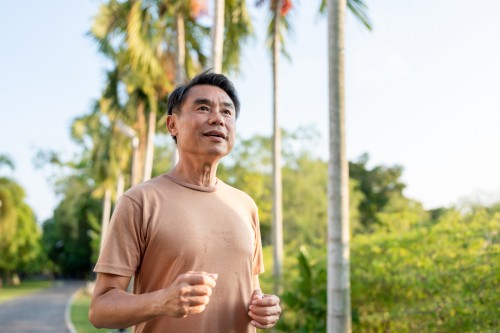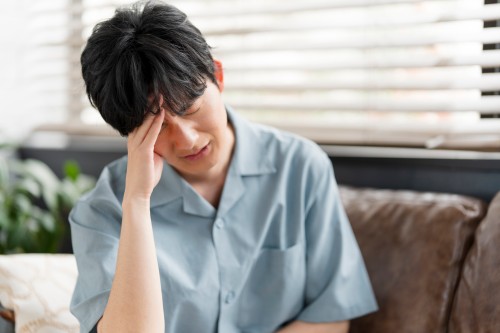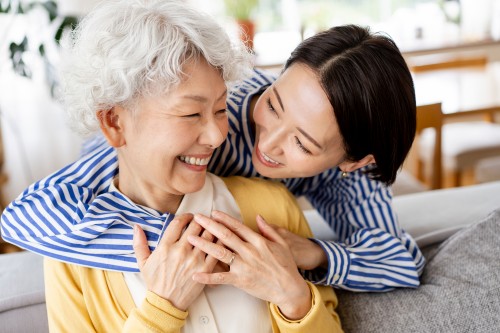
The defining characteristic of TCM in treating emotional disorders is helping the body regain balance by regulating Qi, blood, and meridians to stabilize emotion.
TCM emotional therapy is an experience of uniting spirit and form, featuring four major highlights:
Treating Both Root and Branch
Unlike relying solely on medication for quick symptom control, TCM focuses on tracking down the root causes of imbalance, such as stagnation of liver Qi, deficiency of both heart and spleen, or phlegm-fire disturbing the heart. Through herbal medicine and acupuncture to regulate zang-fu organs, Qi, and blood, it not only improves insomnia and irritability, but also resolves peripheral symptoms like fatigue, poor digestion, and cold hands and feet. Symptoms are less likely to rebound after stopping the medication.
Personalized Prescriptions
For the same condition of "anxiety," TCM treats a frail person with cold limbs using warming and calming herbs, while treating a robust person experiencing constipation with heat-clearing and bowel-cleansing herbs. This avoids the dilemma of "taking the wrong tonic and causing internal heat," achieving high precision.
Mild Side Effects Suitable for Long-term Conditioning
Anti-anxiety medications often bring troubles such as drowsiness, dry mouth, and weight gain. In contrast, the side effects of Chinese herbs or acupuncture are relatively mild (such as initial mild diarrhea or fatigue, which usually resolves within a few days). It is especially suitable for frail elderly individuals, groups worried about drug dependence, or as a "safety buffer" during the reduction of Western medications.
Emphasizing "Life as Therapy"
TCM goes beyond prescribing medicine; it promotes self-management in daily life. This includes acupoints for emergency relief (such as the Neiguan point), food therapy for heart nourishment (such as lotus seeds and lily bulbs), and sleeping before 11 PM to nourish liver blood. The goal is to integrate treatment into daily life so you feel empowered to help yourself rather than passively depending on a doctor, which in itself is powerful psychological support.