


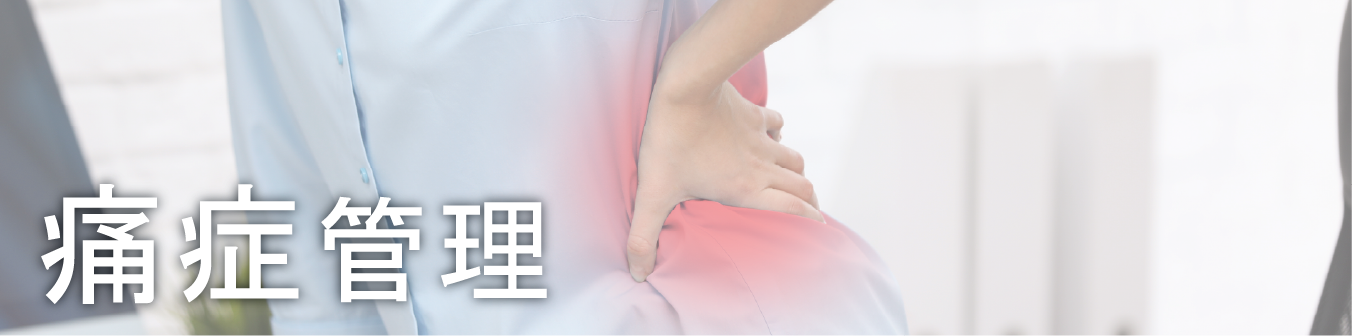
In TCM, pain is summarized by two classic sayings: “If there is free flow, there is no pain”, and “If there is no nourishment, there is pain”, viewing pain not just as a local symptom but as a signal of imbalance or blockage in the body’s vital energy (Qi) and blood flow, as well as deficient organs failing to nourish the muscles, tendons, or bones. The core principle in treatment is to diagnose the root cause of blockage and the affected organ and apply result-oriented treatments.
Common cases in TCM pain management include:
Numbness and pain due to Qi and Blood stagnation (e.g. hands and feet, facial paralysis)
Spinal pain conditions (e.g. lower back and neck, herniated intervertebral disc, sciatica)
Sports injury rehabilitation (e.g. shoulder and ankle sprains, meniscus tear, etc)
Pain in the limbs (e.g. frozen shoulder, knee pain, tennis elbow, plantar fasciitis, tenosynovitis of thumb)
Comprehensive pain management is a distinctive feature of Traditional Chinese Medicine, focusing on a multi-pronged approach with mutually complementary effects.
Main TCM Treatment Modalities:
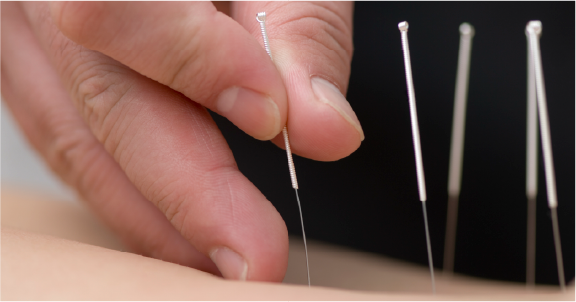
Acupuncture (Needling)
Unblock Qi and stimulate the nervous system, rapidly releases endorphins and reduce inflammation.
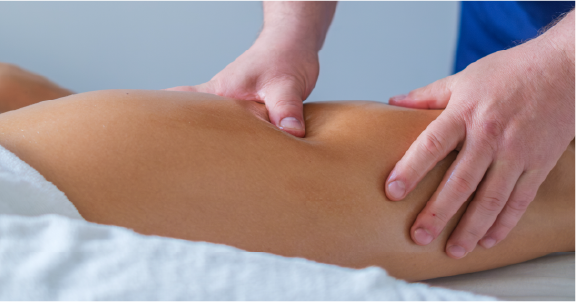
TuiNa or Medical Massage
Move stagnant Qi and realign the musculoskeletal system.
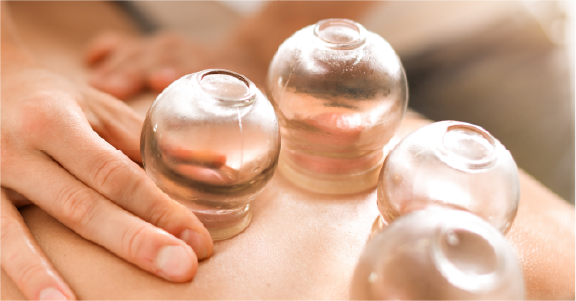
Cupping or Gua Sha (Scraping)
Draw stagnant blood and fluids to skin surface to release tight fascia.
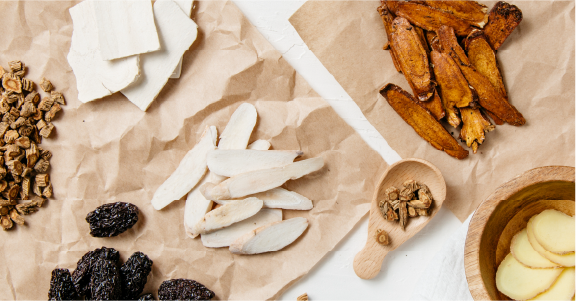
Chinese Herbal Medicine for Internal or External
Internal formulas to warm the meridians and invigorate blood, external plasters applied to painful are for local relief.
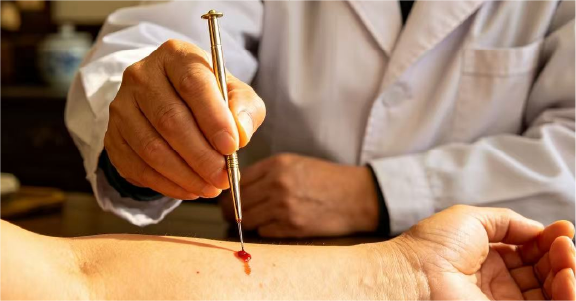
Bloodletting
Remove blood stasis and clear heat or toxins.
Related Articles
Relevant TCM Expert
Dr. Huang Guowen
TCM Doctor
Dr. Leung Kwok Wai
TCM Doctor